The Final Paycheck That Revealed A Twenty Year Corporate Betrayal
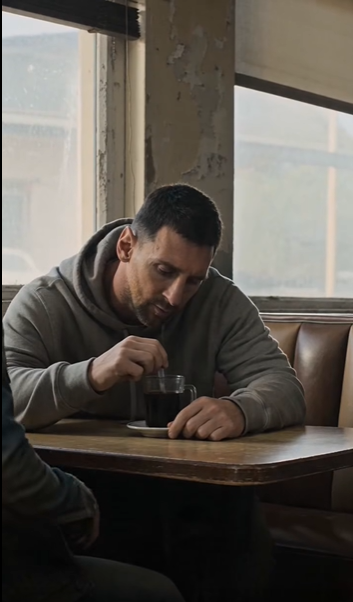
Cris pushed the envelope toward me. It was thin, surprisingly light, and felt like a funeral notice. I didn’t reach for it immediately. I stared at the scarred wood of the café table, tracing a deep gouge near the edge that had been there since the day I bought the shop two decades ago.
Open it, he said. His voice lacked the gravelly fatigue I’d been hearing for months. There was something else there, a hum of nervous energy that didn’t belong in a man who had just surrendered his livelihood.
I tore the paper. Inside wasn’t a check, but a single, folded receipt and a photograph. The receipt was dated three days ago, marked from the regional corporate office of the firm that had held my shop’s lease. It showed a payout amount of nearly seven figures, designated as a backdated settlement for “long-term land acquisition.”
I blinked. My head spun, the smell of burnt coffee and cheap cigarette smoke suddenly sharp in my nostrils. This wasn’t the final payout for the sale of my inventory. This was the value of the dirt beneath the shop.
Cris leaned back, pulling a crumpled pack of cigarettes from his pocket. He didn’t light one. He just turned the filter between his fingers. They’ve been planning to raze this entire block for years, he whispered. They knew about the highway expansion before we even signed our first renewal.
The photograph showed a blueprint. It was a site plan for a massive logistics hub, with my shop located directly in the path of a proposed off-ramp. My hands began to shake, the paper rattling in the quiet booth. I had spent years thinking I was failing because of my own lack of business acumen, because the market had shifted, or because I simply wasn’t smart enough to compete.
All the while, the corporate sharks had been waiting for the property value to bottom out, watching us exhaust ourselves to keep the lights on while they prepared to bulldoze the evidence of our existence. They hadn’t just ignored us. They had actively waited for us to be desperate enough to walk away for peanuts.
Why are you showing me this now? I asked, looking up at him.
Cris finally looked at me. His eyes weren’t tired anymore. They were bright, almost manic. Because they sent the check to the wrong address, he said. They sent it to the old warehouse we used back in 2005. I went there to check for mail before coming here. They have no idea it landed in my hands.
The shock hit me, then receded into a cold, clinical anger. I thought about the thousands of hours I’d spent scrubbing grease off the floor, the nights I skipped meals so I could pay the utilities, and the way I had apologized to my ex-wife when I couldn’t afford a real vacation. It was all a manufactured reality.
We can’t keep it, I said, though my stomach lurched at the thought. They’ll come for us.
Let them come, Cris said, leaning forward. They spent twenty years acting like we didn’t exist. Let’s see how they handle it when we suddenly become their biggest legal headache. I didn’t just bring the receipt. I brought the internal audit file that was attached to it.
He pushed a small flash drive across the table. It was unassuming, a piece of plastic that held the potential to incinerate the careers of every regional manager who had signed off on the predatory leases in this district. This was the leverage I had been missing my entire life.
I looked at the drive, then at the photograph. The sadness of the last twenty years began to transform into something else. It wasn’t the healing balm of relief, but the sharp, dangerous clarity of a man who had nothing left to lose. I felt a strange vibration in my pocket. My phone was buzzing with an unknown number.
I let it ring, watching the screen flicker in the dim light. They were already looking for the package.
We aren’t going to fade away, I said, my voice steadying. I’m not interested in their money anymore. I’m interested in their panic.
We left the café, leaving our unfinished coffee to go cold. Outside, the town felt different, smaller, like a stage set whose props were beginning to sag. We walked to Cris’s old truck, the engine turning over with a familiar, rattling groan. We weren’t headed home. We were headed to the office of the only reporter in the state who cared about the local corruption trials.
The drive was quiet, but it was the kind of quiet that precedes a storm. Every mile we covered toward the city was a mile closer to the truth. I looked out the window at the familiar fields, the same fields I’d worked on as a boy, and realized I didn’t have any sentimentality left for them. They were just land, and for too long, we had treated our lives as if they were just land too—something to be used up and leveled.
When we pulled up to the newspaper building, the sun was high and unforgiving. I stood on the sidewalk for a moment, feeling the weight of the flash drive in my pocket. It felt like a stone, heavy and permanent.
You ready? Cris asked, stepping out of the truck.
I reached out and shook his hand. It was a firm grip, the grip of two men who had shared the burden of survival and were now ready to share the weight of justice. I didn’t feel like a hero. I felt like a man who was finally opening his eyes after a long, restless sleep.
We walked into the lobby, the air conditioning crisp and smelling of ozone and ink. The receptionist looked up, her expression politely bored. I asked to see the editor in chief. When she looked skeptical, I didn’t try to explain or sell my story. I just placed the receipt and the site plan on her desk.
She looked at them for a long time. Her demeanor shifted, her posture straightening, and she didn’t ask a single question. She simply picked up the phone.
Two hours later, the editor was sitting across from us, his eyes darting across the documents with the hunger of a man who had finally found the story of the decade. He didn’t offer us coffee. He didn’t offer us sympathy. He looked at us like we were survivors of a shipwreck who had finally washed ashore with the gold from the captain’s safe.
This is going to burn them down, he said, his voice barely above a whisper.
Let it burn, I replied.
We walked out of the building as the afternoon began to bleed into twilight. The city felt different now. The tall buildings didn’t look like fortresses; they looked like paper walls, waiting for a strong enough wind.
We didn’t go back to the town. We went to a small diner on the outskirts, ordered a meal we could finally afford, and for the first time in twenty years, we didn’t talk about work. We talked about what we would do next. We talked about moving out of the state, about getting out of the shadow of the logistics hub, and about how it felt to finally be the ones holding the strings.
It wasn’t a fairy tale ending. We were still tired, still scarred, and still fundamentally changed by the years of drudgery. But as I watched the city lights ignite one by one, I knew we had survived more than just poverty. We had survived the feeling that we didn’t matter.
I looked at Cris, who was finally smiling, really smiling, and I knew that the system had lost. It had taken everything it could, but it hadn’t taken our ability to fight back. We weren’t fading away. We were just starting to exist, and this time, the world would have to acknowledge that we were here. I leaned back in my chair, the exhaustion finally giving way to a quiet, profound peace, and watched the night sky stretch out before us, completely empty of all the things that used to haunt me. For the first time, the future wasn’t something to fear; it was just a blank page, and we were finally holding the pen.